Last updated: October 10, 2026
Key Takeaways
- A real deal is traceable to a live source, a current checkout page, or a clear provider promotion.
- I accept a coupon only when the source is identifiable, the term is visible, and checkout matches the claim.
- Strong coupon chances often come with transparent pricing, annual-plan incentives, or seasonal sales.
- Semrush fits buyers wanting one subscription for most SEO tasks, while Ahrefs fits users focused on backlink and keyword research depth.
If you want a real discount on an SEO tool, the question is not “where is the biggest coupon?” The question is: which deal is verified, still valid, and worth locking in for your specific workflow? I focus on that decision here in this Verified SEO Tool Deals & Coupons Guide, because a stale code can waste more time than it saves. I write about SEO tools for a living, and I care most about the ugly details readers usually learn too late: trial limits, annual-billing traps, plan exclusions, and coupons that apply only to new accounts.
What counts as a verified SEO tool deal?
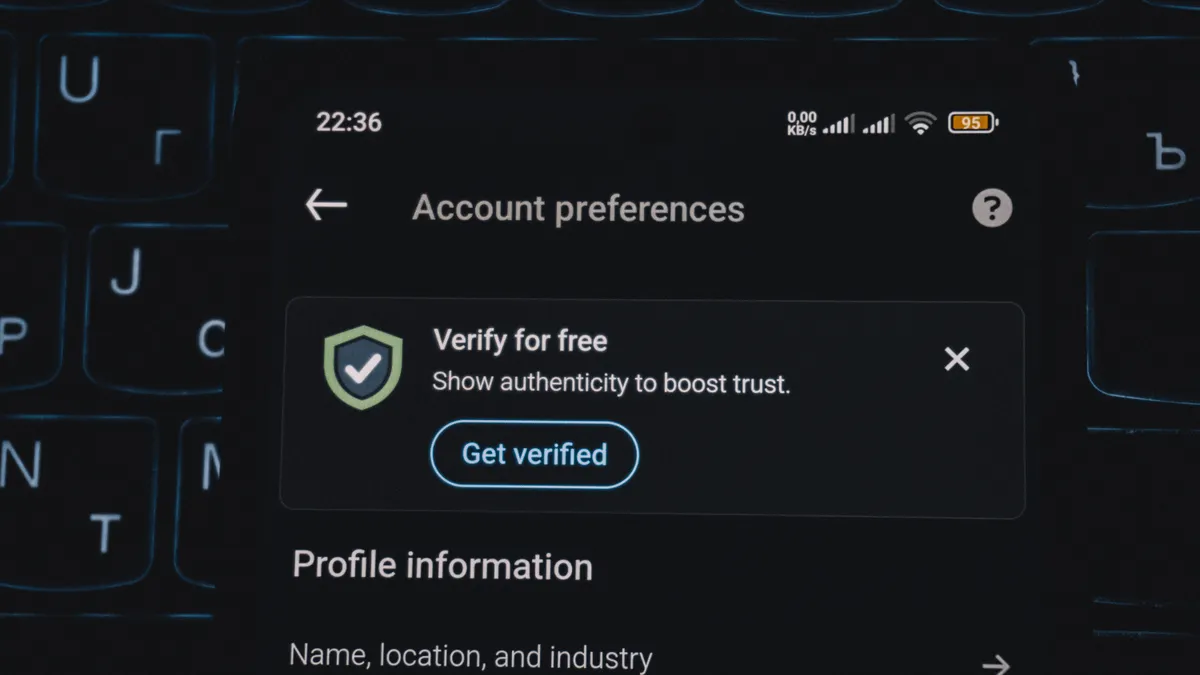
A verified deal is one you can trace to a live source, a current checkout page, or a clearly stated promotion from the tool provider. It is not a random code copied into a coupon list with no date, no terms, and no clue whether it still works. For SEO tools, that distinction matters because many promotions are tied to annual billing, a first-time customer only rule, or a specific plan tier such as Starter, Pro, or Agency.
I would treat three kinds of offers as most trustworthy, and I would still confirm the final terms with the provider or a qualified professional if the purchase affects a business budget:
-
The vendor’s own sale page or pricing page
This is the cleanest source when a company runs a seasonal discount or publishes a trial extension. If the tool’s own site shows the offer, that is a strong sign it is real. -
A partner or marketplace listing with the same terms as checkout
Some tools sell through app marketplaces or software stores. If the listed price and the checkout price match, that is better than a coupon scraped from a blog post. -
A code shared by the brand and tested at checkout by the retailer
That means the coupon exists today, not last quarter. It also means the terms are readable before you enter payment details.
What I would not trust: expired codes, “up to 90% off” headlines with no plan name, or pages that hide the real monthly rate until after account creation. If the offer does not say whether it is for new users, annual billing, or one tool plan only, I assume the coupon is weak until proven otherwise.
A useful habit: check the current price against the full term cost, not just the month-one number. A discount can still be a bad deal if the plan locks you into a year of features you will not use.
How I check a coupon before I rely on it
I accept a coupon only when three things line up: the source is identifiable, the term is visible, and the checkout behavior matches the claim. That sounds basic, but it filters out most junk.
First, I look for the issuer. A valid offer should come from the software company, an official reseller, or a reputable partner with clear disclosure. If the page says “limited time” but gives no end date, I treat it as unstable, not generous. A real promotion usually names either the percent off, the free months, or the billing condition.
Second, I check the eligibility rule. Many SEO tools only discount:
- the first billing cycle
- the first annual term
- a specific plan, not the whole product line
- new accounts only
- a trial that converts automatically unless canceled
Third, I compare the offer to the plan features. A 20% discount on a plan you will outgrow in a month is worse than paying full price for the tier that actually supports your work. For example, if you need rank tracking for multiple locations, a coupon on a single-site starter tier is often a false economy.
Fourth, I look for the quiet exclusions that matter in practice:
- add-ons excluded from the discount
- seat-based pricing not covered
- agency limits
- usage caps, such as tracked keywords or reports
- coupon not stackable with free trials
That last point is where readers get burned. A code may work and still not improve the final cost if the tool already runs a public sale. In that case, “verified” does not mean “best choice”; it only means the offer is real.
For a consumer protection lens, I also like the guidance from the U.S. Federal Trade Commission on subscription billing and hidden conditions, because software discounts often turn into renewal surprises if you miss the terms: https://consumer.ftc.gov/articles/buying-online
SEO tools that most often run worthwhile discounts
The best coupon opportunities often appear on tools with transparent pricing, annual-plan incentives, or seasonal promotions around major sale periods. I would watch the following types of tools first, because they are the ones most likely to pair a meaningful discount with a product people actually use.
Semrush
Semrush is often discounted on annual plans, and the value comes from broad feature depth: keyword research, site audit, competitor analysis, and rank tracking in one account. It is a strong fit if you want fewer tools, not more. The drawback is that its breadth can be overkill for a solo site or a small local business that only needs rank tracking and page audits. In coupon terms, that matters because paying less for a large suite you will barely use is still not a smart buy.
Ahrefs
Ahrefs tends to be attractive when a promotion trims the entry cost of a premium backlink and keyword platform. Its strength is the clarity of its core workflows: backlink analysis, keyword exploration, and content gap work. It is better for marketers who already know what they are looking for. The weakness is that it can feel expensive when your main need is basic technical SEO or a lighter content workflow.
SE Ranking
SE Ranking is often the sweet spot for people who want a feature-rich tool without paying for heavyweight suite pricing. It usually makes sense for freelancers, small agencies, and in-house marketers handling a modest number of projects. Coupons here matter because the product already sits closer to a value tier than some bigger names. The trade-off is that it may not satisfy teams who want the deepest backlink index or the most extensive enterprise reporting.
Mangools
Mangools tends to appeal to beginners and smaller publishers because the interface is cleaner and the learning curve is lighter. A discount can make it a very sensible first paid SEO tool. Its limitation is depth: if you need heavy-duty site auditing, advanced competitive research, or agency-scale reporting, you may outgrow it.
Moz Pro
Moz Pro often attracts buyers who care about a recognizable brand and a gentler onboarding path. Its coupon value is strongest when a promo reduces the cost of getting into the tool, not when you are comparing raw feature depth against bigger platforms. The weakness is that some power users want more advanced breadth for the money.
SpyFu
SpyFu can be a good deal for marketers focused on competitor keywords and paid-search overlap. If a code cuts entry cost, it is especially useful for agencies prospecting against competitors. The downside is that it is narrower in feel than an all-in-one suite.
These are not “best” tools in the abstract. They are the tools most likely to reward a verified discount because the discount changes the buying decision, not just the sticker price.
Semrush vs Ahrefs: the deal changes the decision
Semrush wins for buyers who want one subscription to cover most SEO tasks, while Ahrefs wins for users who care most about backlink and keyword research depth. That is the real split, and the coupon only matters after you decide which workflow you live in.
| Criteria | Semrush | Ahrefs | Winner for [condition] |
|---|---|---|---|
| All-in-one breadth | Broad suite across SEO, content, PPC, and competitive research | Stronger focus on SEO research core functions | Semrush for teams that want fewer tools |
| Backlink research emphasis | Useful, but not the only reason to buy | Primary strength and common reason to subscribe | Ahrefs for link-focused work |
| Content workflow support | Often stronger for content planning and optimization | Useful, but less central to the product identity | Semrush for content-led teams |
| Learning curve | Can feel crowded because of feature depth | Cleaner focus, but still a pro tool | Ahrefs for users who want less sprawl |
| Coupon impact | Annual-plan discounts can make the suite easier to justify | Discounts matter most if you will actually use backlink research often | Semrush for buyers comparing total suite value |
| Agency fit | Strong if you report across multiple SEO tasks | Strong if link analysis drives client work | Tie, depending on service mix |
| Best use case | General SEO operations, content teams, mixed-channel marketers | Competitor research, link building, advanced SEO specialists | Semrush for broader teams; Ahrefs for specialists |
| Risk of overbuying | Higher if you only need basic tracking | Higher if backlink data is not central to your process | Ahrefs for narrower specialist needs |
Semrush’s strength is that it can replace several point tools at once. That matters if your deal hunt is really a budget-control problem. If a verified annual discount trims the barrier to entry, the subscription can become easier to defend to a client or manager because it touches keyword work, audits, and content optimization in one place. The weakness is obvious: you can still end up paying for modules that sit idle.
Ahrefs is the sharper choice when your SEO work lives and dies on link data, keyword ideas, and competitive research. A verified coupon here helps most when you already know you will use the platform every week. The downside is that a lower promotional price can tempt generalists into buying a specialist tool. That is a mistake if your actual job is content production, technical maintenance, or local SEO reporting.
My position is simple: if you are buying one platform to cover several SEO jobs, a verified Semrush deal usually has the better economic logic. If you are buying a research tool for link-heavy work, Ahrefs is the cleaner fit, coupon or not.
SE Ranking vs Mangools: where the smaller tools win
SE Ranking wins for users who need serious SEO features without full-suite complexity, while Mangools wins for beginners who value clarity over depth. This comparison matters because a coupon can make either tool look more attractive than it is on paper.
SE Ranking is usually the stronger deal for freelancers and small agencies. It tends to cover the day-to-day work that matters: rank tracking, audits, keyword research, and client reporting. If a verified coupon lowers the first year, that can make the package feel especially practical because you are buying broad utility, not just a sleek dashboard. The drawback is that deeper users may still want more advanced backlink insight or more specialized enterprise features.
Mangools is the smarter choice for solo site owners, newer SEOs, and bloggers who want to avoid a complicated interface. It is often easier to learn than bigger suites, which means a coupon can shorten the time between buying and using. Its weakness is that it can feel thin once you move into serious competitive analysis, larger site portfolios, or agency reporting. A discount does not change that ceiling.
What I think generic articles miss here is the real budget question: a “cheap” SEO tool is only cheap if it matches the size of the job. If you run five projects, a coupon on SE Ranking may save money because the platform still covers your full workflow. If you run one small site, Mangools may be the better use of cash even if the discount is smaller, because you are not paying for capability you will not use.
A practical rule:
- choose SE Ranking if you manage multiple projects or clients
- choose Mangools if you want a simpler first paid tool
- skip both if you need deep enterprise reporting or a heavy backlink operation
A verified coupon changes the entry cost, not the fit. Fit still wins.
The honest side-by-side on price, trials, and renewal risk
The real difference in deal quality is not the headline discount. It is how the plan behaves after checkout, because SEO tools often use annual billing, limited trials, or renewal terms that are easy to miss.
Annual billing discount
This is the most common structure. It can be a good deal if you already know the tool will stay in your stack for 12 months. It is a bad deal if you are still comparing products. Annual prepay lowers the monthly equivalent, but it also raises the cost of leaving early.
Free trial
Trials are useful only when they are long enough to get through a real task, such as a site audit or a keyword batch. A trial that shows you dashboards but not export options is weaker than it looks.
Coupon stacking
Usually, this is limited or not allowed. If you need both a trial and a coupon, check the terms before you assume they combine.
Renewal price
This is the number that matters after month one. A promotion can hide a higher renewal rate, and that gap is where many “good deals” stop being good.
Plan caps
Look for limits on tracked keywords, projects, reports, or team seats. A discounted plan with a hard cap can cost more in workflow friction than a more expensive plan that actually fits the team.
Support and onboarding
Not every buyer needs handholding, but some tools make it easier to get value fast. That matters if the discount is attached to a tool you must implement quickly for a client launch or a content sprint.
If I had to reduce the whole decision to one sentence: a deal is good only when the discounted plan matches your actual usage pattern for at least one full billing cycle.
When a coupon is not enough to justify the tool
A verified coupon does not rescue the wrong product. I would skip the purchase entirely in four situations.
First, skip if you only need one narrow function such as rank tracking or keyword lookup. A large SEO suite becomes expensive complexity.
Second, skip if the deal requires annual prepayment and you are still validating your SEO process. Paying 12 months in advance before you know the tool fits is a bad trade.
Third, skip if your team already uses a platform that covers the same job and the new tool would duplicate reports. Two subscriptions that overlap heavily are a budget leak.
Fourth, skip if the coupon lowers the entry price but not the workflow cost. If a tool is hard to learn, hard to export from, or hard to explain to clients, a discount will not fix that.
There is also a broader source worth checking when you evaluate software terms: the U.S. Federal Trade Commission’s guidance on negative-option billing and subscriptions. It is useful background if a coupon ties you to auto-renewal: https://consumer.ftc.gov/articles/subscriptions-auto-renewals-and-continuity-plans
This is where generic coupon articles fail readers. They treat the offer as the product. It is not. The product is the workflow you can keep using after the excitement of the discount wears off. Please consult a professional if the deal affects a client budget or contractual purchase decision.
The verdict: which SEO tool deal to choose and why
Choose Semrush if you want one broad platform for keyword research, audits, and content work, and the verified deal is an annual-plan discount that you can justify across multiple SEO tasks. Choose Ahrefs if your work is centered on backlinks, competitive research, and advanced SEO analysis, and the coupon meaningfully lowers a plan you will use often. Neither if you only need a basic rank tracker, a one-off audit, or a temporary trial for a single project.
That is the cleanest split. If your buying problem is “I need the most utility from one subscription,” Semrush usually wins on deal logic. If your buying problem is “I need the sharpest research tool for specialist work,” Ahrefs is the more disciplined pick. If your real need is smaller than either of those, a coupon is just decoration on the wrong purchase.
Exception scenarios where the choice flips
The verdict flips in four common cases.
1) You are a beginner with one site and no client work.
Then Mangools can beat both larger suites, especially if a verified discount lowers the first year and you want a simpler interface. A smaller tool is often the right tool.
2) You are a freelancer with several small accounts.
Then SE Ranking can beat both because it gives enough breadth for client reporting without the overhead of the largest platforms. A coupon here can matter more than a bigger discount elsewhere because the plan is already closer to the real budget.
3) You are buying only for backlink prospecting.
Then Ahrefs usually wins even if Semrush is cheaper on promotion. The task itself points to the tool.
4) The offer is annual-only and you are still comparing tools.
Then neither is a good buy yet. A better move is to keep the shortlist open and wait for a shorter commitment or a trial that covers the work you actually need.
The flip test is simple: if the discount changes the total commitment but not the job the tool has to do, the deal is probably not the right one.
How I would choose if I were buying today
I would choose Semrush for mixed SEO work, Ahrefs for research-heavy specialists, SE Ranking for small agencies, and Mangools for beginners who need a simpler first paid tool. I would pass on any coupon that only looks good because it hides annual billing, weak plan limits, or a renewal jump I cannot verify before checkout.
That is the part most readers need most: not a list of coupons, but a way to tell when a coupon is actually worth taking.
FAQ
How do I know an SEO coupon is still valid?
Check whether the offer appears on the vendor’s own pricing page, a current checkout page, or a clearly dated promotion. If the code is copied across several unrelated blogs with no source, I would assume it is stale until proven otherwise.
Are annual-plan discounts usually better than monthly coupons?
Yes, if you already know the tool fits your workflow for at least a year. No, if you are still comparing products or only need the tool for one project. Annual discounts lower the monthly equivalent but raise the cost of leaving early.
Can I stack a free trial and a coupon?
Sometimes, but often not. The terms decide this. If the checkout page does not say the coupon applies during or after the trial, assume it does not stack.
What is the safest thing to check before paying?
The renewal terms are usually the safest thing to check before paying. A strong intro discount can hide a higher ongoing rate, and that is where many coupon deals turn expensive.
Which SEO tool is best value for a small business?
For many small businesses, SE Ranking or Mangools can be better value than the largest suites because they match the size of the job. The best value is the tool that covers your real workflow without forcing you into unused features.
Drafted with AI; not yet reviewed by a person.