Last updated: October 11, 2026
In short: What is an SEO lifetime deal, and when is it a good buy? It is a one-time purchase for an SEO tool or service that replaces a recurring subscription, and it is a good buy only when the product already solves a narrow, durable problem you will keep having for at least 12–24 months.
Key Takeaways
- One payment can replace ongoing SEO software fees if the tool fits your needs and limits.
- Upfront pricing helps cash flow; subscriptions usually offer more flexibility and updates.
- It works best for repetitive tasks, credible vendors, and realistic usage caps over 12 months.
- It is a poor choice for enterprise depth, heavy usage, or support you must rely on long term.
I write about search, subscriptions, and software buying decisions for a living, so I care less about the pitch and more about the math, the renewal risk, and the product’s long-term fit. What is an SEO lifetime deal, and when is it a good buy? That question sounds simple; the real issue is whether the tool will still be useful after the launch buzz fades and the vendor has your one-time payment in hand.
What an SEO lifetime deal actually is

An SEO lifetime deal is a pricing model where you pay once and get ongoing access to a product instead of paying monthly or yearly. In practice, that usually means a tool for rank tracking, audits, keyword research, content optimization, link monitoring, or local SEO. The promise is not “forever in the absolute sense”; it is “access for the life of the plan, the product, or the company,” depending on the terms in the offer.
That wording matters. A generic article often treats “lifetime” as if it means the rest of your life. It usually does not. The real contract may cap features, cap usage, or allow the vendor to end support, change limits, or retire the product line. A lifetime deal can still be valuable, but only if the offer includes enough detail to judge the risk; if the terms are unclear, consult a professional before buying and check guidance from the U.S. Federal Trade Commission on recurring and subscription terms.
According to the U.S. Federal Trade Commission, recurring-charge terms should be clear before you buy; that is useful context when you evaluate a lifetime offer.
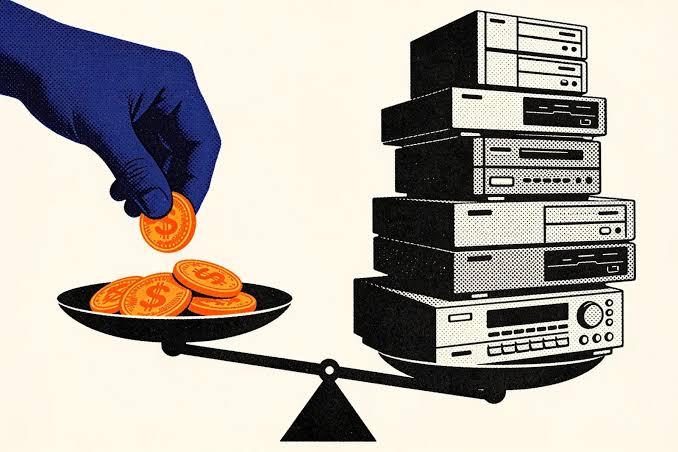
The best way to think about it is this: you are prepaying for future convenience and locking in a cost structure. That can make sense when the tool’s job is stable, the vendor is credible, and the limits are generous enough for your workload. It is a poor fit when you need fast-moving data, broad integrations, or constant model updates.
How do lifetime deals differ from subscriptions?
A lifetime deal wins on cash flow; a subscription wins on flexibility and usually on updates. That is the core trade.
With a subscription, you pay as long as you use the product. If your needs change, you cancel. If the vendor improves the product, the updates are usually part of the price. If the vendor stalls, you can leave without feeling stuck. The UK Competition and Markets Authority has similar guidance on subscription terms, which is worth reviewing if you want a second benchmark.
With a lifetime deal, you front-load the cost. That can be smart if the tool fills a recurring need and the deal price is low enough relative to what you would otherwise pay over 12 to 24 months. It can also be expensive in disguise if the plan is limited, the product evolves slowly, or the feature you need sits behind a higher tier.
Here is the practical difference I would use:
| Criteria | Lifetime deal | Subscription | Winner for this condition |
|---|---|---|---|
| Cash outlay today | Higher upfront | Lower upfront | Subscription if cash is tight |
| Long-term cost | Can be lower if used long enough | Can keep rising | Lifetime deal if use is steady |
| Upgrade flexibility | Often limited by the plan you buy | Easier to change tiers | Subscription for changing teams |
| Product updates | Varies by offer | Usually included while paying | Subscription for fast-moving SEO needs |
| Vendor exit risk | Higher if the company folds | Lower because you can leave anytime | Subscription for risk-averse buyers |
| Usage caps | Common on lifetime plans | More often tiered by month | Subscription for heavy usage |
| Best fit | Stable, narrow workflows | Evolving, collaborative workflows | Depends on how often your needs change |
| Budgeting | One-time or broken into financing | Ongoing operating expense | Lifetime deal for fixed budgets |
The pattern is straightforward: the more your SEO workflow depends on current data, team collaboration, or frequent feature releases, the less attractive a lifetime deal becomes. The more repeatable the task, the better the odds.
What makes an SEO lifetime deal a good buy?
A lifetime deal is a good buy when the task is repetitive, the vendor is credible, and the plan limits match your real usage for at least 12 months. That is the bar I would use before I even look at the discount.
The strongest use cases are narrow ones. Think of a local business that needs periodic site audits, a solo consultant who tracks a small keyword set, or an agency owner who wants a backup tool for a specific workflow. In those cases, a one-time payment can undercut a subscription that would otherwise run every month for years.
I would also favor lifetime deals when the product is already useful without requiring a huge ecosystem of integrations. A standalone rank tracker or site crawler is easier to evaluate than a sprawling SEO suite that depends on third-party data partnerships, AI credits, or constantly refreshed databases. The more the product relies on expensive external data, the more likely the vendor will trim limits later.
A good buy also needs a sane payback period. If you would otherwise pay monthly for a tool you know you will keep using, the lifetime deal can make sense when the breakeven point is comfortably inside your expected usage horizon. I would not buy one on the assumption that I will “probably use it someday.” That is how people end up owning software they no longer open. For pricing context, Software Advice and G2 both show how quickly monthly SaaS costs add up over a year.
The strongest sign is not the discount headline; it is the fit between the product’s job and your repeat need. If the workflow is boring, stable, and measurable, a lifetime deal can be an efficient purchase. If the workflow is strategic, volatile, or deeply tied to current search data, I would be cautious. For related buying guidance, see SEO tools, keyword research, and site audits.
When is an SEO lifetime deal a bad buy?
An SEO lifetime deal is a bad buy when you need enterprise-grade depth, high-volume usage, or dependable long-term support. That is where the hidden costs show up.
The first problem is usage caps. Many lifetime offers limit tracked keywords, audit credits, exports, projects, or seats. That is fine if your needs are small. It is a trap if your workload grows. A 500-keyword cap sounds generous until you add multiple locations, multiple clients, or separate branded and non-branded tracking. Then the “one-time” purchase turns into a blocked workflow.
The second problem is vendor instability. SEO tools are expensive to maintain because data costs money. If the vendor underprices a lifetime offer, it has a strong incentive to restrict features later or move the good stuff into a paid add-on. I am not saying every lifetime offer is a bait-and-switch. I am saying the business model creates pressure, and buyers should price that risk in. If you are reviewing one, consult a procurement or finance professional and compare the offer with general consumer-contract guidance from the FTC.
The third problem is category volatility. SEO is not static. Search results pages change, local packs shift, AI summaries alter click behavior, and platforms alter APIs. A subscription can absorb that churn better because ongoing revenue funds ongoing development. A lifetime deal may lag if the vendor cannot keep up.
There is also a practical people problem: lifetime deals are bad when they encourage tool collecting. Many buyers end up with five small SEO apps and no clear workflow. If a subscription tool already covers the job, buying another lifetime deal is not thrift; it is duplication.
I would skip a lifetime deal entirely if the product is missing a clear roadmap, transparent terms, and an obvious reason it will still matter after the launch year. That is not pessimism. It is basic procurement discipline; if the decision affects team spending or client deliverables, consult a professional and review the vendor terms carefully.
What should you check before buying one?
You should check the terms, the usage caps, the update policy, and the vendor’s financial reality before you buy anything with “lifetime” in the name. Those four items matter more than the sales page design.
Start with the definition of lifetime. Is it lifetime of the account, the plan, the product, or the company? If the terms are vague, assume the narrowest meaning until proven otherwise. Then look for caps on projects, searches, crawl credits, seats, exports, and API access. A deal can be generous on paper and cramped in practice.
Next, ask whether updates are included. Some offers cover all future features. Others freeze you on a specific tier and charge extra for major upgrades. That difference decides whether the deal is a bargain or a dead end.
I would also check where the product can be bought. If the vendor sells through its own site and also through a major marketplace, that can be useful for billing convenience and refund handling, but it does not guarantee quality. What matters is whether the offer terms are identical across sellers and whether support is reachable after the sale.
Finally, read the refund window and cancellation terms. A lifetime deal with a short refund period gives you little room to discover broken workflows. If the product is for client work or agency reporting, that risk is real.
For general guidance on online purchase protections and recurring-charge terms, consumer-protection resources from the U.S. Federal Trade Commission and the UK’s Competition and Markets Authority are worth a look. The FTC’s page on negative-option and recurring subscriptions is a useful starting point, and the CMA’s subscription guidance is similarly practical. You can also check FTC consumer guidance and CMA subscription guidance.
The honest side-by-side
A lifetime deal wins for disciplined buyers who know exactly what the tool must do; a subscription wins for teams that need adaptability and frequent updates. That is the clearest split.
Here is the trade-off in plain language. A lifetime deal can reduce long-run cost, but it shifts risk onto the buyer. If the product stalls, you own the regret. A subscription keeps the vendor financially aligned with ongoing improvements, but it keeps the meter running.
The best lifetime deals tend to come from smaller tools with focused scope: rank tracking, basic audits, local listings support, or content briefs. The worst tend to come from broad “all-in-one SEO suites” that promise everything from backlinks to AI copy to technical crawling. Broad promises are expensive to fulfill, which is why broad lifetime promises deserve extra skepticism.
I would also pay attention to support. Even a simple SEO tool can become painful if setup documentation is thin and the vendor responds slowly. If you are buying a lifetime deal partly because you want to stop recurring support bills, make sure the product does not create a different kind of cost in time.
The bottom line is not that lifetime deals are bad. The bottom line is that they are a bet on stability. If your needs are stable too, the bet can pay off. If your needs change every quarter, the bet is poorly matched.
The verdict: which one to choose and why
Choose a lifetime deal if you have a narrow SEO job, you can tolerate usage caps, and the payback period is likely to be under 24 months. Choose a subscription if you need broad features, frequent updates, or the freedom to leave without worrying about sunk cost. Neither if the offer terms are vague, the vendor is unproven, or you are buying mostly because the word “lifetime” sounds thrifty.
That is the call I would make. The right choice is less about the sticker language and more about how often the tool will earn its keep after month 6, month 12, and month 24.
Exception scenarios where the verdict flips
A lifetime deal becomes the better choice again in four specific cases.
First, if you are buying a backup tool for a single repetitive task, the lifetime model can be ideal. A small site audit tool or keyword monitor that you use only a few times a month does not need subscription-level flexibility.
Second, if the vendor is selling a mature product with a clear cap on scope, the risk drops. A focused tool that does one thing well is easier to judge than a bundle that keeps changing its identity.
Third, if your budget is locked and recurring software spend is the enemy, a one-time payment can beat a slightly better subscription purely on procurement grounds. That is common in solo consulting and early-stage agencies, but if budget policy or client billing is involved, consult a professional before choosing the one-time route.
Fourth, if the offer includes strong written commitments on updates, support, and feature access, the lifetime label becomes less risky. The exact wording in the terms matters more than the marketing banner.
What if I’m buying for an agency?
For an agency, I would default to subscription unless the lifetime deal is for a narrow internal utility. Agencies outgrow caps fast. A plan that works for one client’s local SEO can collapse under ten clients, multiple seats, and reporting exports.
Do lifetime deals usually include updates?
Sometimes yes, sometimes no. The offer terms decide this, not the phrase “lifetime” itself. If updates are not clearly included, I would treat the plan as frozen and value it conservatively.
Is an SEO lifetime deal better than free tools?
Usually yes, if the deal covers a task you repeat often and the limits fit your workload. Free tools are useful for light checks, but they rarely replace a paid workflow for audits, tracking, or client reporting.
How do I know if the deal is actually worth it?
I would compare the one-time cost against the subscription cost you would otherwise pay over 12 to 24 months, then discount that result for usage caps, support risk, and likely feature gaps. If the math still looks strong after those deductions, it is worth considering.
Drafted with AI; not yet reviewed by a person.